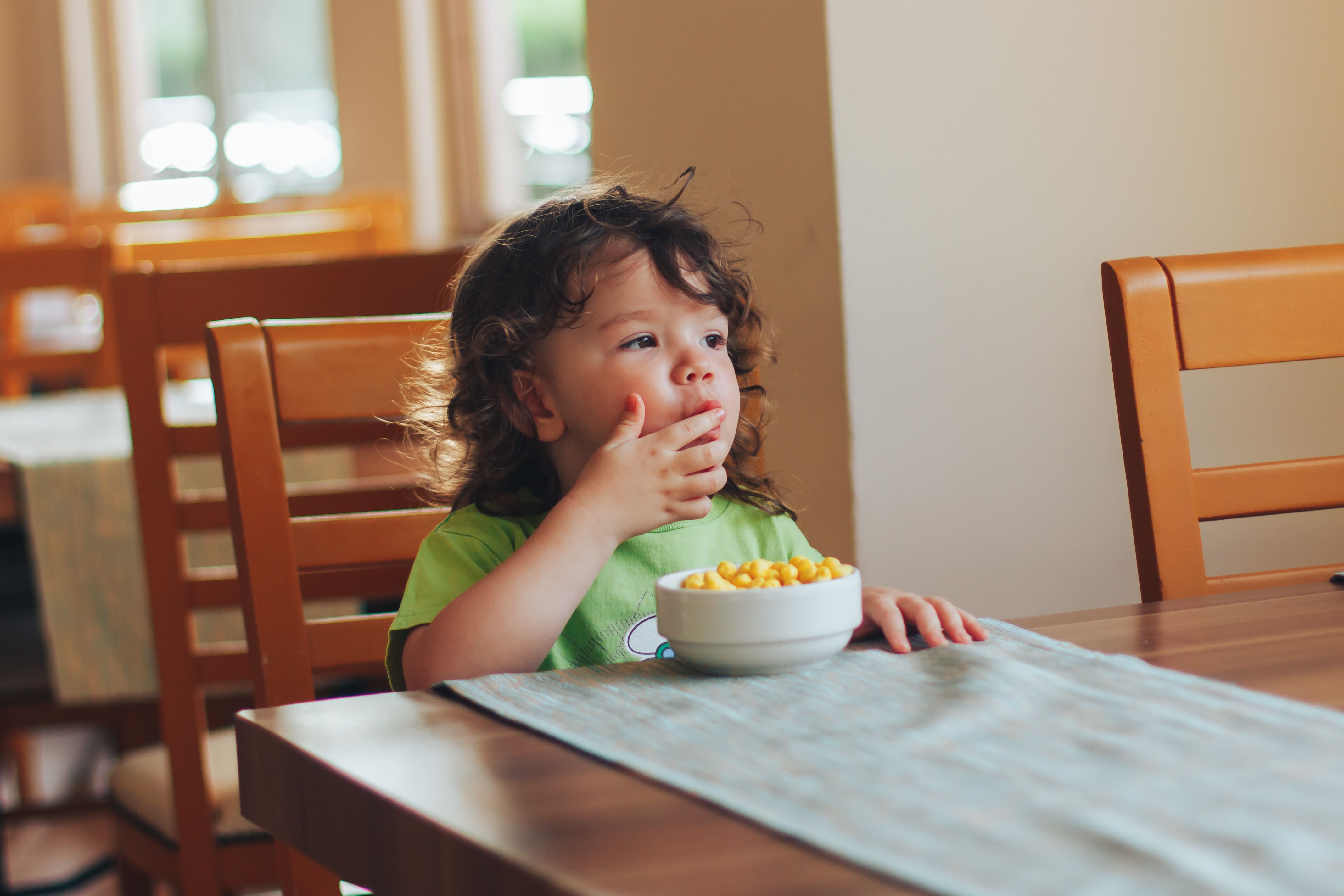
Children learn language best when words are connected to meaningful experiences. Daily routines happen again and again, which makes them ideal for repeated vocabulary and sentence practice.
Meals
Model action words such as “pour,” “cut,” “eat,” “open,” and “wash.” Offer simple choices and wait before handing over a preferred item.
Getting dressed
Talk about body parts, clothing, colors, and simple directions: “shirt on,” “shoe off,” “find the sock.”
Bath time
Use verbs and concepts such as wash, pour, wet, dry, in, out, up, and down.
Books
You do not have to read every word. Talk about pictures, pause for your child to point, imitate sounds, or finish a familiar phrase, and relate the story to real life.
When language practice is embedded in routines, it feels less like homework and gives the child many more opportunities to use communication successfully.
This information is educational and does not replace an individualized evaluation by a qualified professional.